
5 unfair subcontract terms to be wary of
Richard Hildrick
Guidance for Subcontractors - Examples of Unfair Subcontract Terms
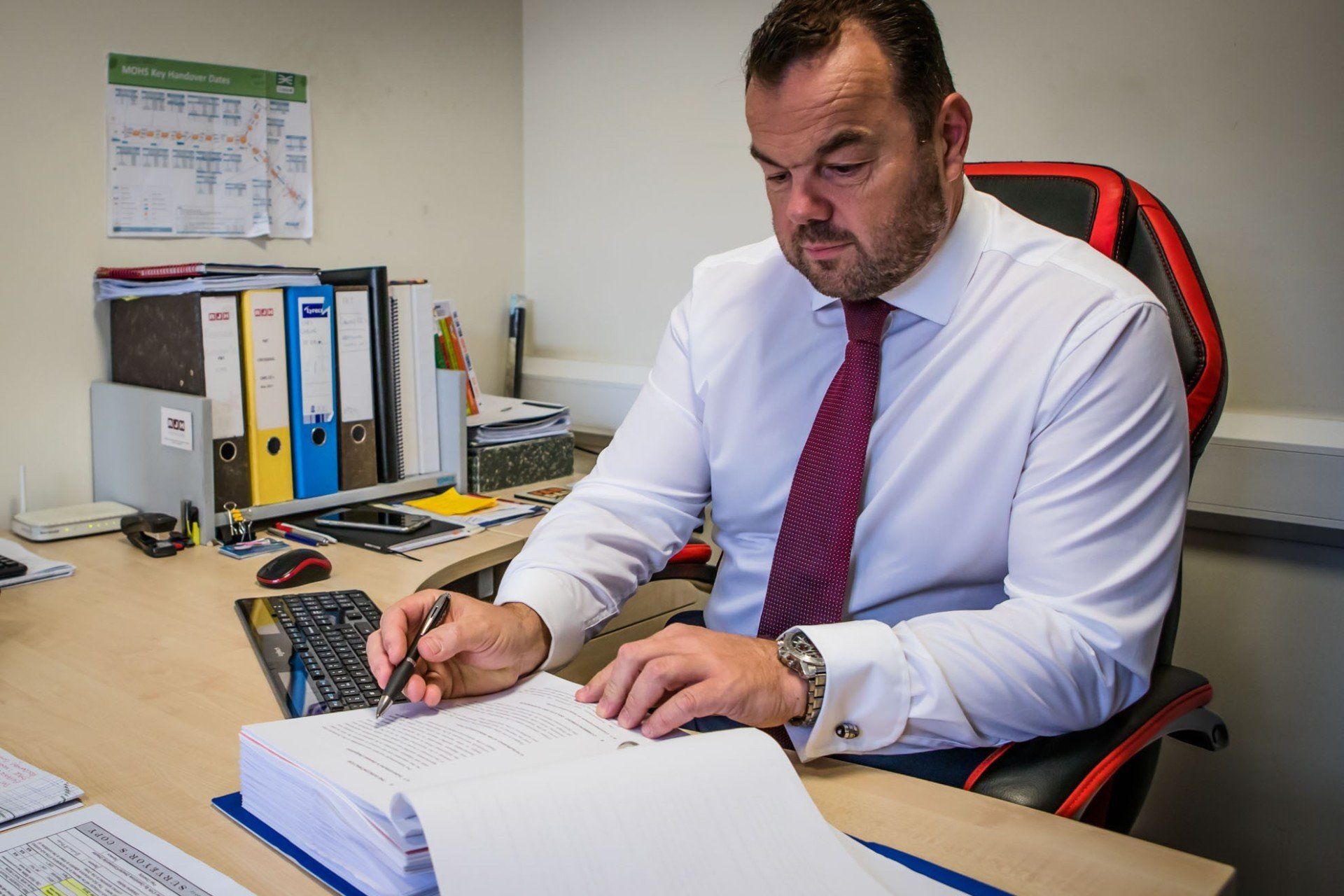
Here is a selection of Subcontract Terms which we have encountered when reviewing Subcontract Orders for Subcontractors or when helping them to resolve disputes. They range from the unreasonable to the unfair, to the ridiculous - but Subcontractors must reject all such provisions before agreeing any Subcontract.
There is also a useful check-list below for Subcontractors in relation to costing acceleration instructions/requirements.
Note that it is the principles of each of the clauses which is most important - there are many wording/drafting variations out there which follow these 5 themes. More Unfair Terms have been posted on Linkedin already, and more will follow in a later blog.
If you have any issues with Subcontract terms, please call us for a free initial consultation on 01347 811155.
1. TIME-BAR PROVISIONS FOR NOTIFICATION OF DELAYS
Example of Unfair Sub-Contract Wording:
“the Sub-Contractor shall immediately on becoming aware of any delay or likely delay and as a condition precedent to the Sub-Contractor’s entitlement to any extension of time, notify the Contractor within 7 days of the circumstances and period of delay encountered or likely to be encountered, and shall update the Contractor with full details on a weekly basis thereafter. The Sub-Contractor shall not be entitled to an extension of time for any delay event, if it fails to comply with this Clause”.
“the Sub-Contractor shall immediately on becoming aware of any delay or likely delay and as a condition precedent to the Sub-Contractor’s entitlement to any extension of time, notify the Contractor within 7 days of the circumstances and period of delay encountered or likely to be encountered, and shall update the Contractor with full details on a weekly basis thereafter. The Sub-Contractor shall not be entitled to an extension of time for any delay event, if it fails to comply with this Clause”.
7 days is never enough - project staff take holidays and are busy people. Always either:
• Insist on at least 7 weeks for such Notices (as per the NEC3 clause 61.3 period).
• Delete the condition precedent elements of the wording altogether, or
• Employ a full time QS and include additional Prelims to cover the cost of meeting the notification requirements and thereby avoid becoming time-barred.
• Insist on at least 7 weeks for such Notices (as per the NEC3 clause 61.3 period).
• Delete the condition precedent elements of the wording altogether, or
• Employ a full time QS and include additional Prelims to cover the cost of meeting the notification requirements and thereby avoid becoming time-barred.
2. INDEMNITIES AND LIABILITY FOR DEFAULT:
Example of Unfair Sub-Contract Wording:
“The Sub-Contractor shall be liable for and shall indemnify the Contractor against every liability whatsoever which the Contractor may incur to any person or third party and against all direct, indirect, and consequential liability, expense, loss, claim, demands or proceedings made against the Contractor by reason of any default of the Sub-Contractor”.
“The Sub-Contractor shall be liable for and shall indemnify the Contractor against every liability whatsoever which the Contractor may incur to any person or third party and against all direct, indirect, and consequential liability, expense, loss, claim, demands or proceedings made against the Contractor by reason of any default of the Sub-Contractor”.
• The words “Indemnity” or “Indemnify” should always ring alarm bells. These are an attempt to broaden your liability beyond that which is set in common law.
• Never accept any provision which makes you liable for indirect or consequential costs/losses.
• Never accept liability for future liabilities, which relate to future cost not yet incurred and is open to abuse.
• Bear in mind that even without an Indemnity provision, your liability at Common Law is usually unlimited. Therefore it is always wise to insert a Limitation of Liability provision, at the lowest value possible – this should usually be a % of the Sub-Contract Sum.
• Never accept any provision which makes you liable for indirect or consequential costs/losses.
• Never accept liability for future liabilities, which relate to future cost not yet incurred and is open to abuse.
• Bear in mind that even without an Indemnity provision, your liability at Common Law is usually unlimited. Therefore it is always wise to insert a Limitation of Liability provision, at the lowest value possible – this should usually be a % of the Sub-Contract Sum.
3. DISCLAIMER CLAUSES RELATING TO SURVEY REPORTS RELATING TO THE SITE:
Example of Unfair Sub-Contract Wording:
“The Contractor may provide the Subcontractor with relevant data, surveys, reports, and other information relating to the site and to the Subcontract Works. The Subcontractor shall be wholly responsible for interpreting all such data, surveys, reports, information and the like, and shall be fully responsible for verifying the accuracy, adequacy, sufficiency or completeness of the same.
No claim for any inadequacy or error in any such documentation will be made by the Subcontractor and no additional payment or time entitlement shall arise. The Subcontractor shall be deemed to have fully satisfied himself as to the correctness and sufficiency of the Subcontract Price”.
“The Contractor may provide the Subcontractor with relevant data, surveys, reports, and other information relating to the site and to the Subcontract Works. The Subcontractor shall be wholly responsible for interpreting all such data, surveys, reports, information and the like, and shall be fully responsible for verifying the accuracy, adequacy, sufficiency or completeness of the same.
No claim for any inadequacy or error in any such documentation will be made by the Subcontractor and no additional payment or time entitlement shall arise. The Subcontractor shall be deemed to have fully satisfied himself as to the correctness and sufficiency of the Subcontract Price”.
• These type of provisions seek to pass responsibility for existing conditions on the site to the Subcontractor, even if the information in the surveys, reports etc. are inaccurate or incomplete.
• They are particularly high-risk clauses in relation to ground conditions, other physical conditions, and existing buildings. Liability for contamination, asbestos, below ground obstructions, unsuitable existing surfaces, and adverse ground conditions can all become the Subcontractor’s liability under such provisions.
• This type of disclaimer clause should always be rejected – at worst the Subcontractor must be able to rely on the survey/report information provided, when calculating his tender prices. Any deviation or error must give rise to an entitlement to claim additional payment and/or time.
• They are particularly high-risk clauses in relation to ground conditions, other physical conditions, and existing buildings. Liability for contamination, asbestos, below ground obstructions, unsuitable existing surfaces, and adverse ground conditions can all become the Subcontractor’s liability under such provisions.
• This type of disclaimer clause should always be rejected – at worst the Subcontractor must be able to rely on the survey/report information provided, when calculating his tender prices. Any deviation or error must give rise to an entitlement to claim additional payment and/or time.
4. ACCELERATION OBLIGATIONS:
Example of Unfair Sub-Contract Wording:
“The Sub-Contractor shall forthwith comply with any instruction received from the Contractor to accelerate the Sub-Contract Works or any part or parts of the Sub-Contract Works, provided that such instruction is in writing and is expressly stated in the instruction to be an instruction to accelerate”.
“The Sub-Contractor shall forthwith comply with any instruction received from the Contractor to accelerate the Sub-Contract Works or any part or parts of the Sub-Contract Works, provided that such instruction is in writing and is expressly stated in the instruction to be an instruction to accelerate”.
• Such an express obligation to accelerate (as dictated by the Contractor) should never be accepted. It may not be feasible to accelerate and the Subcontractor’s additional costs would be at risk.
• This type of acceleration provision would include an obligation to complete earlier than the Subcontract Date for Completion – which should never be accepted.
• Such provisions should only be accepted where they are subject to the Subcontractor’s agreement (at the time) to the acceleration request, AND to prior agreement of the additional sums to be paid to the Subcontractor for the acceleration measures.
• Evaluation of acceleration should include the additional cost of:
- overtime and weekend working;
- lost production due to resultant inefficiency (too many men),
- lost production due to extended shifts, night shifts etc;
- learning curve/induction time for new labour;
- additional subsistence payments;
- higher rates payable to additional labour brought in;
- additional supervision/prelims;
- additional plant costs - mobilisation and under-utilisation.
• This type of acceleration provision would include an obligation to complete earlier than the Subcontract Date for Completion – which should never be accepted.
• Such provisions should only be accepted where they are subject to the Subcontractor’s agreement (at the time) to the acceleration request, AND to prior agreement of the additional sums to be paid to the Subcontractor for the acceleration measures.
• Evaluation of acceleration should include the additional cost of:
- overtime and weekend working;
- lost production due to resultant inefficiency (too many men),
- lost production due to extended shifts, night shifts etc;
- learning curve/induction time for new labour;
- additional subsistence payments;
- higher rates payable to additional labour brought in;
- additional supervision/prelims;
- additional plant costs - mobilisation and under-utilisation.
5. DISRUPTED WORKING DISCLAIMERS:
Example of Unfair Sub-Contract Wording:
“The Sub-Contractor shall not have exclusive or uninterrupted access to any part of the site and the Contractor does not guarantee continuity of working or access. The Sub-Contractor is not entitled to any additional payment or to any extension of time as a consequence of any delay or disruption to the Sub-Contract Works resulting from the Sub-Contractor's failure to make allowance for same”.
ALWAYS REJECT SUCH PROVISIONS, THEY ARE DESIGNED TO CAUSE YOU LOSSES:
• The Subcontractor must be entitled to assume in his tender that the Contractor will provide unhindered access to enable him to carry out his works efficiently and without disruption or interruptions. It is impossible to make allowance for disruption which may or may not occur, and is undefined – only expressly defined programme/access constraints can be priced for.
• If the Contractor stops the Subcontractor from working or denies/restricts access to the work fronts as planned, then the Subcontractor must retain a right to claim recovery of the additional inefficient working costs incurred.
• Any changes imposed to the agreed contract programme and agreed access arrangements are unforeseeable and the Subcontractor’s rights of claim must be retained.
• If the Contractor stops the Subcontractor from working or denies/restricts access to the work fronts as planned, then the Subcontractor must retain a right to claim recovery of the additional inefficient working costs incurred.
• Any changes imposed to the agreed contract programme and agreed access arrangements are unforeseeable and the Subcontractor’s rights of claim must be retained.

Richard Hildrick - Founder
BSc(Hons) MSc MRICS MCIOB FCIArb


New to adjudication? This plain-English guide walks subcontractors through what it is, the 28-day timeline, costs, and how to get started.

How a Specialist Subcontractor Benefitted from Adding RJH to Its Team, and Upped its Commercial and Contractual Game Overnight.
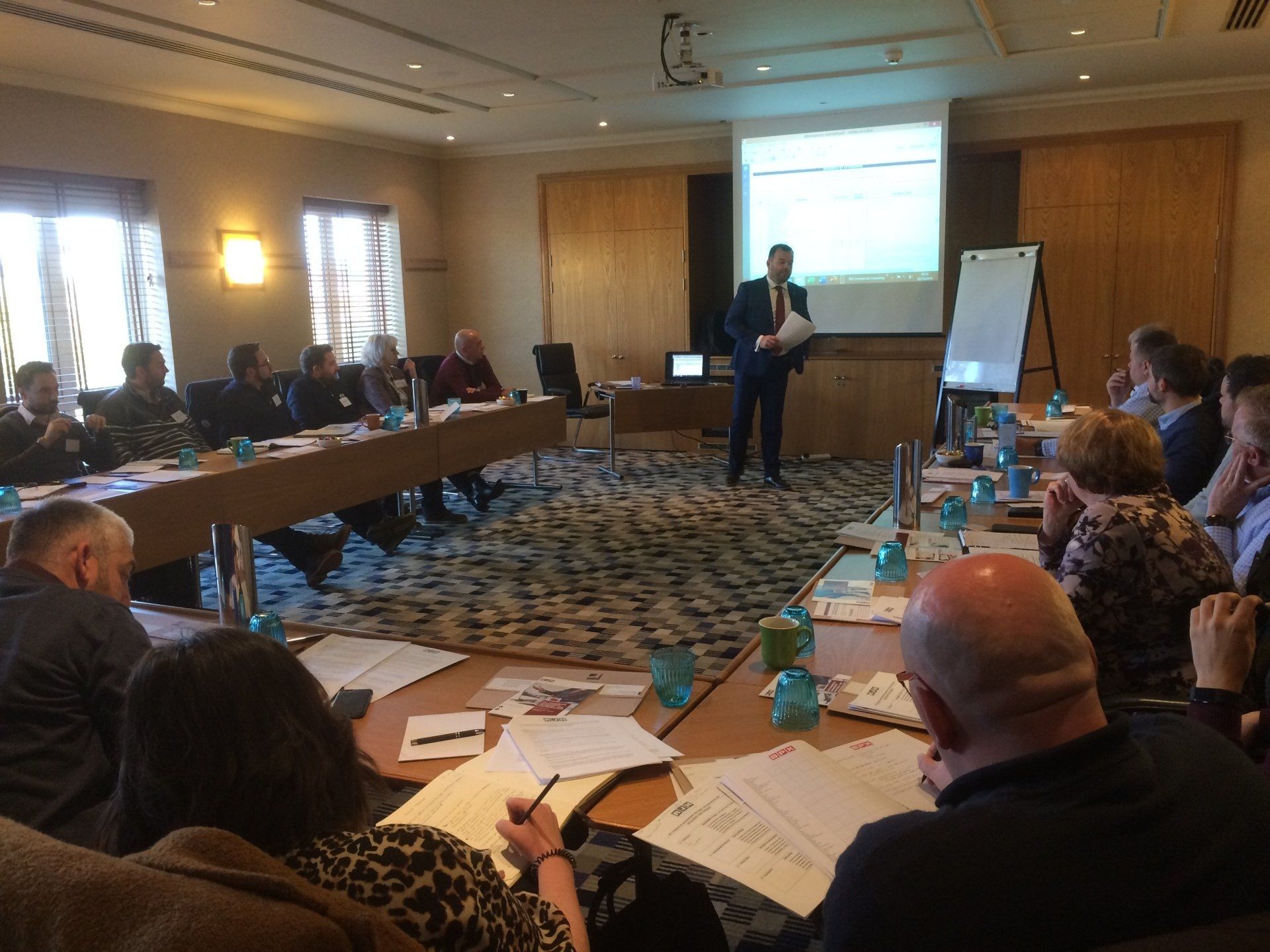
Our workshops are tailored to each company’s requirements, ensuring you and your team get the most out of it, at a fixed price.
One previous attendee said the workshop was: “Vital to anyone working in a commercial or project management role in construction, to understand the workings and thinking of main contractors today.”
NEC Contracts Early Warnings v Compensation Events

Discover how RJH Consulting uses adjudication to recover unpaid contra-charges and deductions for subcontractors, including a recent case worth over £200,000.
A cautionary tale from RJH Consulting about a main contractor who levied unfair contra-charges on his subcontractor, and how the dispute was resolved.

For our latest client, boxxe, we managed a £1m+ office redesign project commercially and operationally.
The result was a sleek, modern and on-budget project, completed over a 30-week period.
Download RJH Consulting's free guide to the 20 most common commercial problems subcontractors face, with practical advice on how to resolve each one.

Template Documents to make Subcontractor's lives easier when managing their projects.

Find out how the construction industry's reverse charge VAT rules affect contractors and subcontractors, and what you need to do to stay compliant.